Our brands & products
Our quality commitment for your daily life





























Guaranteed freshness
Dairy products
ever fresher
Laboratory
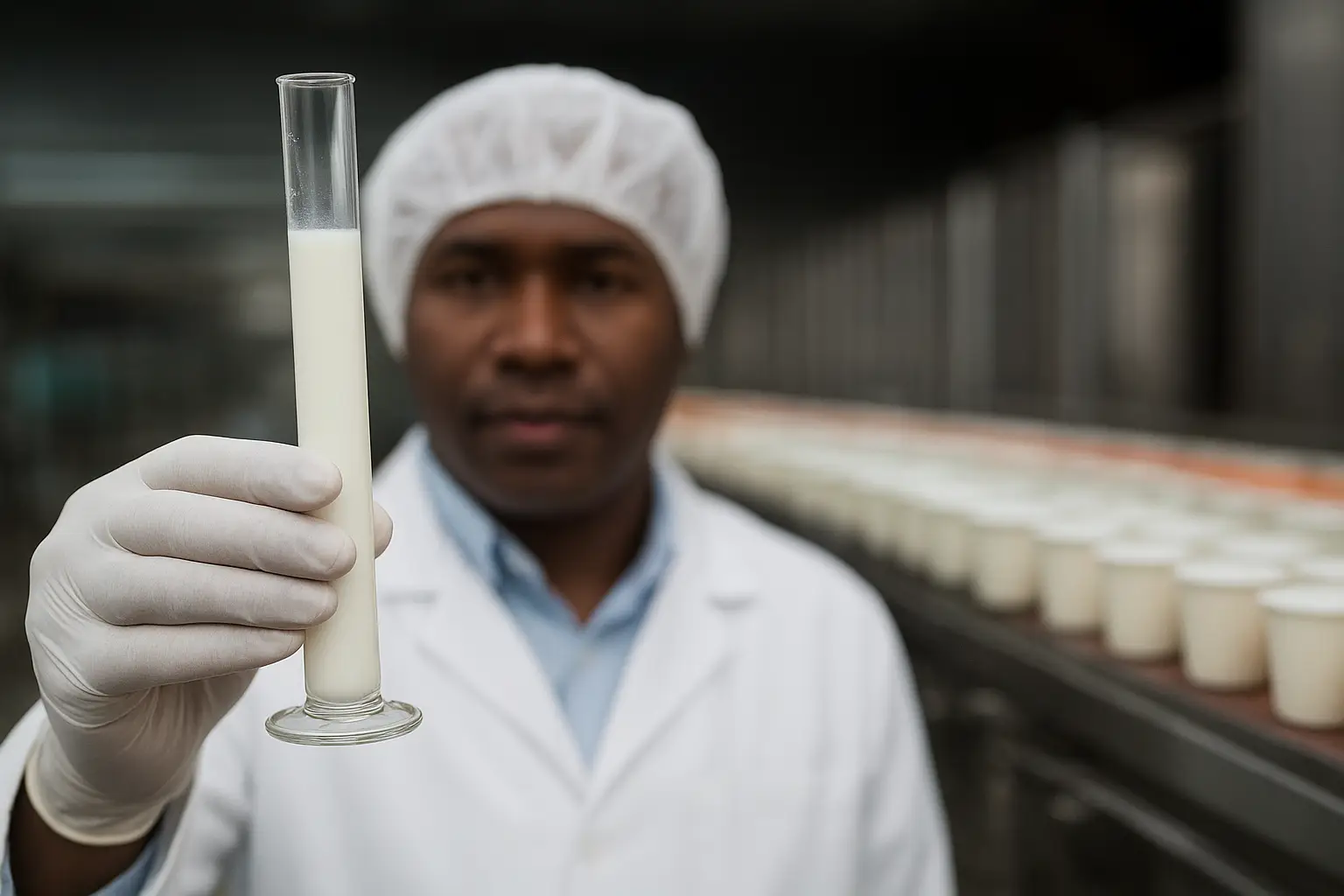
Our quality control experts carefully examine each sample to ensure that our products meet quality standards.Analysis
Data analysis is essential to ensure that every project leads to reliable and significant results.Quality
Quality control plays a fundamental role in optimizing production processes, ensuring that every step is synonymous with quality.Production monitoring
Production monitoring is a process that allows for the improvement of methods while guaranteeing quality at every phase.
Behind every product:
discover our manufacturing stages
At Socalait, we make it a point of honor to offer exceptional products, locally manufactured with passion and expertise. Each stage of our production respects strict standards, thus ensuring optimal freshness and unparalleled flavor.
By carefully selecting our raw materials and prioritizing local employment, we actively support the New Caledonian economy while guaranteeing high-quality products for our customers. Discover our manufacturing methods, designed to offer local, delicious, and responsible products.
-
01
Milk Preparation
The process begins with the reconstitution of powdered milk with pure water. The powdered milk is carefully measured to achieve the desired consistency and fat content. -
02
Pasteurization
The reconstituted milk is then heated to 95°C for a few minutes to kill bacteria and make it safe for consumption. -
03
Cooling
After pasteurisation, the milk is cooled to an ideal temperature to add the lactic cultures -
04
Fermentation
Special ferments are added that transform the milk into yogurt by allowing it to rest at a constant temperature for several hours. -
05
Packaging
Once the yogurt is ready, it is placed in containers to make it ready for sale. -
06
Cooling
The yogurt pots are then cooled to stop fermentation and maintain the right texture. -
07
Laboratory Analysis
Before being distributed, the yogurts are tested in the laboratory to ensure they are of good quality. -
08
Storage
Packaged yogurts are stored under refrigerated conditions and sent to points of sale to guarantee their freshness and quality until consumption.
-
01
Reconstitution and preparation of the base
We begin by reconstituting the preparation base by adding pure water in precise proportions to achieve the desired consistency and flavor. -
02
Ingredient Mixing:
The reconstituted base is carefully mixed with the other necessary ingredients, such as sugar and natural flavors, to ensure perfect homogeneity. -
03
Pasteurization
The mixture is then heated to 85°C for 30 seconds in a pasteurizer to eliminate undesirable microorganisms, thereby ensuring food safety and an extended shelf life. -
04
Cooling
After pasteurization, the juice is rapidly cooled to an ideal temperature of 5°C to preserve its organoleptic and nutritional qualities. -
05
Packaging
The cooled juice is then packaged in bottles, ready to be distributed and consumed while maintaining excellent quality until consumption.
-
01
Selection and preparation of ingredients
We mix the milk, cream, sugar, and natural flavorings in a vat. Each ingredient is precisely weighed to ensure perfect consistency. -
02
Pasteurization
The mixture is heated to 90°C for 1 min to ensure food safety. This step is crucial for obtaining a healthy and flavorful base. -
03
Maturation
After pasteurisation, the mixture is cooled and left to rest for several hours. This period allows the flavours to fully develop and the texture to refine, ensuring a smooth, uniform ice cream. -
04
Overrun
The mixture is introduced into a turbine which, through a rotating movement, incorporates air into the preparation. This process gives the ice cream its characteristic smoothness and lightness. -
05
Packaging
The ice cream is packaged in tubs, pots, or cones, ready to be distributed and enjoyed.
-
01
Melting chocolate chips and tempering
The chocolate is first melted in melting tanks, then the tempering machine adjusts its temperature between 27°C and 30°C, depending on its type. This step produces a smooth and shiny texture, ideal for working with it. -
02
Chocolate dosing
The melted chocolate is then poured into moulds using a depositor, which precisely measures the amount of chocolate. The moulds are adapted to the type of product, such as tablets, bars, or moulded Easter and Christmas products. -
03
Tapping the chocolate
Once the chocolate has been poured into the moulds, the tapping machine comes into play. It distributes the chocolate evenly in the moulds through vibration, ensuring a uniform texture. -
04
Cooling and packaging
The moulds then pass through a cooling tunnel at 12°C for around 30 minutes. Once cooled, and after passing under a metal detector to ensure product safety, the chocolates are removed from the moulds and then carefully packaged for distribution.

Fresh products
beyond our borders
Socalait is extending its presence to Vanuatu, Wallis & Futuna, and Tahiti, allowing our products to reach new markets in the Pacific.
This initiative allows our neighbors to discover and enjoy our quality products, while continuing our commitment to sharing our expertise beyond New Caledonia.

Tahiti

Wallis

Our commercial operations
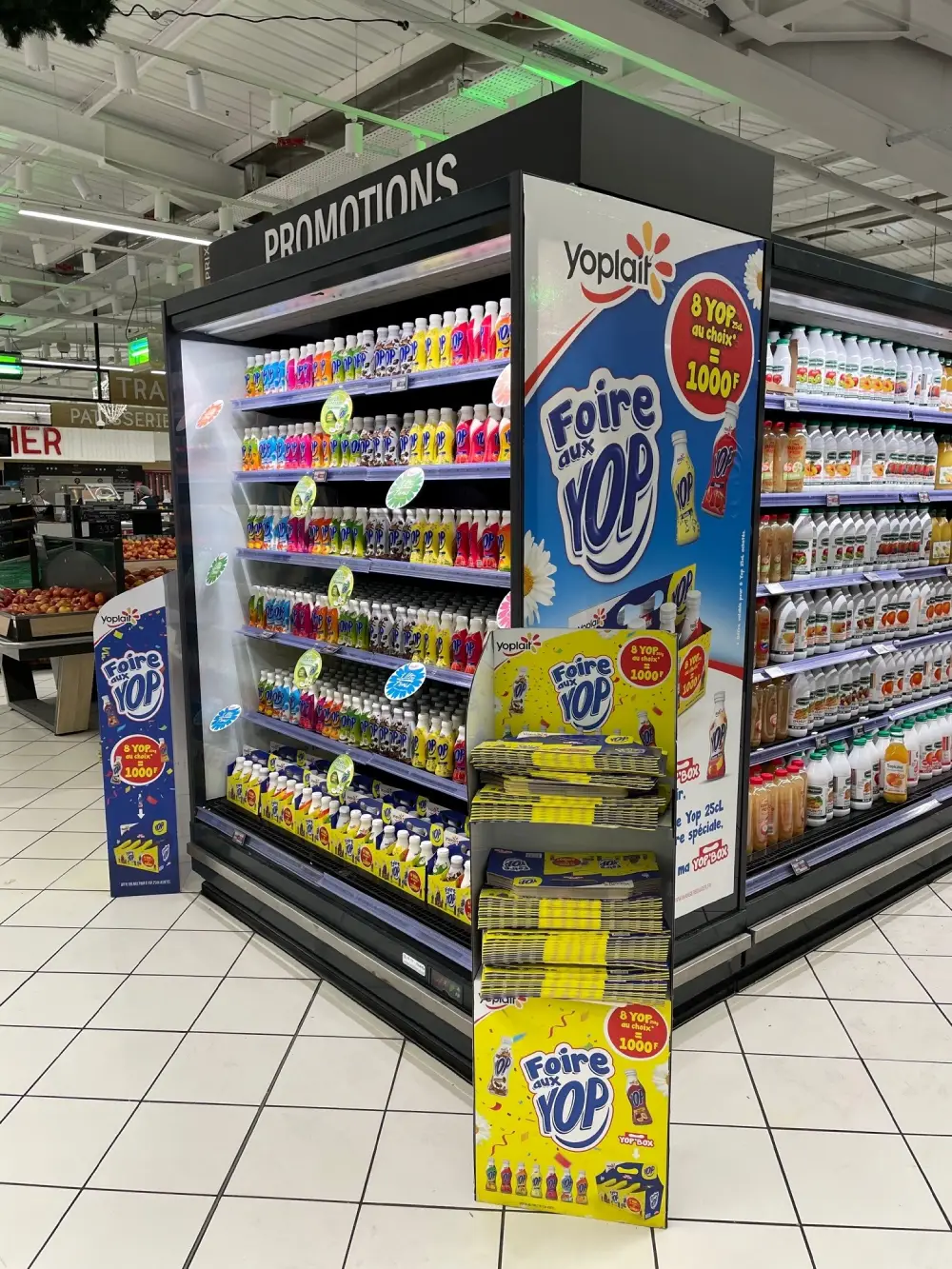
Every month, commercial operations are deployed across all retailers, with a selection of food products offered at advantageous prices.
These promotions are an opportunity to vary daily pleasures while making savings on a wide range of products.